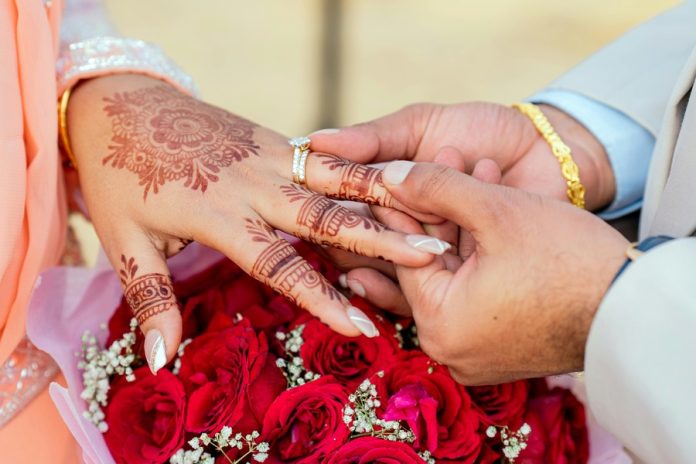
When an Indonesian citizen marries a foreign national, the marriage is classified as a mixed marriage under Indonesian law. Deciding where to register the marriage — inside Indonesia or abroad — goes beyond the wedding ceremony. The place of registration determines whether the marriage will be recognized by Indonesian authorities and directly affects property ownership, immigration status, tax obligations, inheritance rights, and even guardianship of children. For couples planning a future together, this is not a decision to take lightly.
Registering A Mixed Marriage in Indonesia
Couples who plan to live in Indonesia often choose to register their marriage locally. The process involves two steps: a religious ceremony, followed by civil registration.
For Muslims, this is done at the Office of Religious Affairs (KUA).
For non-Muslims, registration takes place at the Civil Registry Office (Catatan Sipil). The foreign spouse must provide standard documents, including a passport, birth certificate, and a certificate of no impediment (CNI) issued by their embassy.
Registering in Indonesia has one clear advantage: immediate recognition. The marriage is valid under Indonesian law without extra reporting or legalization steps. This makes property arrangements, immigration applications, and inheritance matters easier to manage.
The challenge lies in the religious requirement. Indonesia only registers marriages where both spouses share the same faith. Interfaith couples often face obstacles, and in many cases, one spouse must formally convert before the marriage can be recorded.
Registering A Mixed Marriage Abroad
Many couples marry overseas for personal or practical reasons. The ceremony may be easier to arrange, but convenience comes with an important condition: for the marriage to be legally valid in Indonesia, it must be reported to the Civil Registry or through the Indonesian embassy or consulate abroad. If the marriage is not reported within the legal timeframe, Indonesia may not recognize it.
This makes overseas marriages a double-edged sword. On the one hand, they offer flexibility and fewer hurdles at the ceremony stage. On the other hand, the failure to report means the marriage effectively does not exist under Indonesian law.
The consequences can be serious: the foreign spouse may be unable to apply for a spousal visa, property rights may be questioned, and inheritance matters may become complicated.
Once the marriage is recognized — whether in Indonesia or abroad — the next question is what rights and obligations each spouse has.
Property And Ownership Rights for Foreign Spouses
Property is one of the first concerns for mixed couples. Indonesian law does not allow foreign citizens to own land with a freehold title (Hak Milik). Without a prenuptial or postnuptial agreement, property acquired during the marriage could be treated as jointly owned, which creates a conflict with national land laws.
Proper agreements ensure that assets acquired in the Indonesian spouse’s name remain legally theirs, preventing disputes and protecting the property from being declared invalidly held.
The same principle extends to other assets such as bank accounts, investments, or business shares. By addressing ownership clearly at the outset, couples can avoid uncertainty and ensure their financial arrangements comply with Indonesian law.
Immigration And Residency Options
A recognized mixed marriage allows the foreign spouse to apply for a spousal stay permit, or KITAS. This visa provides a stable pathway to live in Indonesia, and in some cases includes the possibility of limited work rights.
If the marriage is not recognized, this option disappears. The foreign spouse must then rely on less suitable visas, such as business or tourist permits, which do not provide long-term stability. In practice, proper registration often makes the difference between building a settled life together in Indonesia and constantly worrying about visa renewals.
Tax, Inheritance, And Family Law Implications
A recognized marriage shapes how a couple is treated under Indonesian tax law. If the foreign spouse spends more than 183 days in Indonesia within twelve months, they are considered a tax resident, meaning their worldwide income may be taxable in Indonesia.
Whether a couple is treated as one household for tax purposes depends on recognition of the marriage. In cases where income is earned abroad, double tax treaties may help avoid being taxed twice, but this requires proper planning and documentation.
Family law is equally affected. If a marriage is not recognized, the foreign spouse may have no inheritance rights under Indonesian law. The legal status of children can also be questioned, complicating guardianship and custody decisions.
For families with assets spread across countries, unclear recognition can trigger disputes that are expensive and stressful to resolve.
Risks Of Improper Registration
When a mixed marriage is not properly registered, the consequences are often hidden until they become urgent. A foreign spouse may suddenly discover they cannot apply for a spousal visa. Property they believed was secure could be subject to legal challenge.
Children may face uncertainty over their legal status, and inheritance rights may be denied. These issues typically surface during divorce, succession, or immigration applications — times when they are hardest to fix.
Practical Considerations for Couples
Choosing where to register should depend on long-term plans. Couples who intend to live in Indonesia generally find local registration more secure. Those who marry abroad must treat reporting to Indonesian authorities as essential, not optional.
Beyond registration itself, couples should think ahead: agreements on property ownership, immigration permits, and inheritance planning are far easier to arrange early than to repair later.
How Jarji Zaidan & Partners Can Help
Jarji Zaidan & Partners helps couples make informed decisions from the start. The firm advises on the best registration pathway, ensures overseas marriages are correctly reported, and drafts prenuptial or postnuptial agreements to safeguard assets. Contact us at info@jarjizaidan-partners.com or on WhatsApp +62 821-9000-3273 / +62 813-1403-8907.