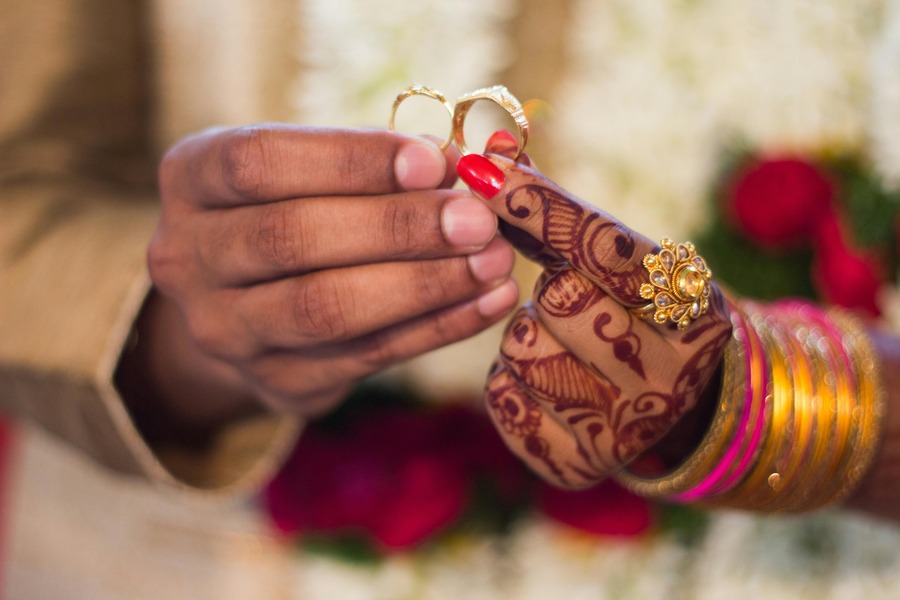
Indonesia, home to the world’s largest Muslim population, recognizes six official religions: Islam, Protestantism, Catholicism, Hinduism, Buddhism, and Confucianism. The country’s legal framework integrates religious laws into civil life, including marriage. This creates complexities for interfaith couples, as the legal system often mandates that marriages be conducted by religious customs.
While Indonesia celebrates religious diversity, interfaith marriages are not straightforward. Couples from different faiths may face legal, social, and familial challenges that make the process of getting married a complicated endeavor.
Legal Framework
The 1974 Marriage Law forms the basis of marriage regulations in Indonesia. According to this law, marriage is only considered legal if it is conducted according to the religious laws of both partners. Traditionally, this has been interpreted to mean that both parties must belong to the same religion for a marriage to be legally recognized.
For instance, an Islamic wedding can only occur if both individuals are Muslims, and similarly, couples who follow other religions must share the same faith to marry legally. This stipulation often forces interfaith couples to make difficult decisions about conversion, as it is generally required for the marriage to take place.
Challenges for Interfaith Couples
Interfaith couples in Indonesia face several obstacles:
- Legal Issues: Since marriage must align with religious practices, couples of different faiths often find themselves unable to marry without one partner converting. Civil marriages, common in other countries, are not an option in Indonesia. Some couples choose to marry abroad, but this comes with its own set of complications regarding legal recognition in Indonesia.
- Social and Familial Pressures: Aside from the legal constraints, interfaith couples may encounter significant social pressures. Family objections, religious community concerns, and societal expectations often weigh heavily on their decisions. For many, this can lead to emotional strain and difficult conversations about religion and cultural values.
- Children of Interfaith Marriages: Another major concern for interfaith couples is how the law impacts their future children. Children in Indonesia are generally expected to follow the religion of one of their parents, and their religious identity is recorded on official documentation, such as birth certificates and ID cards. Deciding which religion, a child will follow can become a source of tension, as it affects their schooling and community integration.
Comparative Perspective
Compared to neighboring Southeast Asian countries, Indonesia’s approach to interfaith marriages is one of the strictest. Countries like Singapore and Thailand allow civil marriages, which offer more flexibility for couples of different faiths. In Malaysia, another Muslim-majority country, the legal framework also leans towards religious conformity, though the specific regulations vary. Interfaith couples looking for alternative legal pathways often consider these countries, where civil marriages provide more options than religious ceremonies alone.
If you want to know more about the legal aspects discussed in this article, email our attorneys at Jarji Zaidan & Partners. We have in-depth experience in the field of family law. We are also available on WhatsApp +62 821-9000-3273 / +62 813-1403-8907.
Disclaimer:
This article is not a source of law, is only an opinion, and is not binding on any party, this article follows the laws and regulations in force on the date this article was published.