Divorce in Indonesia follows a structured legal framework that varies based on religion, residency status, and marital registration. For foreigners married to Indonesians—or even to other foreigners within Indonesia—the process can be complex due to the involvement of religious and civil courts, extensive documentation requirements, and legal procedures.
This guide provides a step-by-step overview of the divorce process for foreign nationals, covering legal requirements, court proceedings, property division, child custody, and post-divorce considerations.
Understanding Divorce Laws in Indonesia
Divorce laws in Indonesia are primarily governed by the 1974 Marriage Law, which differentiates between civil and religious marriages. Muslim couples must go through the Religious Court (Pengadilan Agama), while non-Muslims file for divorce through the District Court (Pengadilan Negeri).
Foreigners must ensure their marriage is legally registered in Indonesia, as unregistered marriages may require additional legal steps before divorce proceedings can begin. Furthermore, the residency of the Indonesian spouse typically determines jurisdiction or where the marriage was officially recorded.
Indonesian law recognizes several grounds for divorce, including:
- Adultery
- Abandonment
- Domestic violence
- Irreconcilable differences
- Imprisonment
However, the legal process differs depending on the court handling the case and whether mediation is required before proceeding.
Filing for Divorce: Step-by-Step Process
Step 1: Consult a Qualified Divorce Lawyer
Before filing for divorce, it is essential to consult a qualified Indonesian lawyer who specializes in family law and international divorces. Your lawyer will:
- Assess your case and determine whether you should file in a Religious Court (for Muslims) or a District Court (for non-Muslims).
- Advise you on legal grounds for divorce and your rights regarding property, custody, and financial settlements.
- Assist with document preparation and translations if your documents are not in Bahasa Indonesia.
Step 2: Gather and Legalize Required Documents
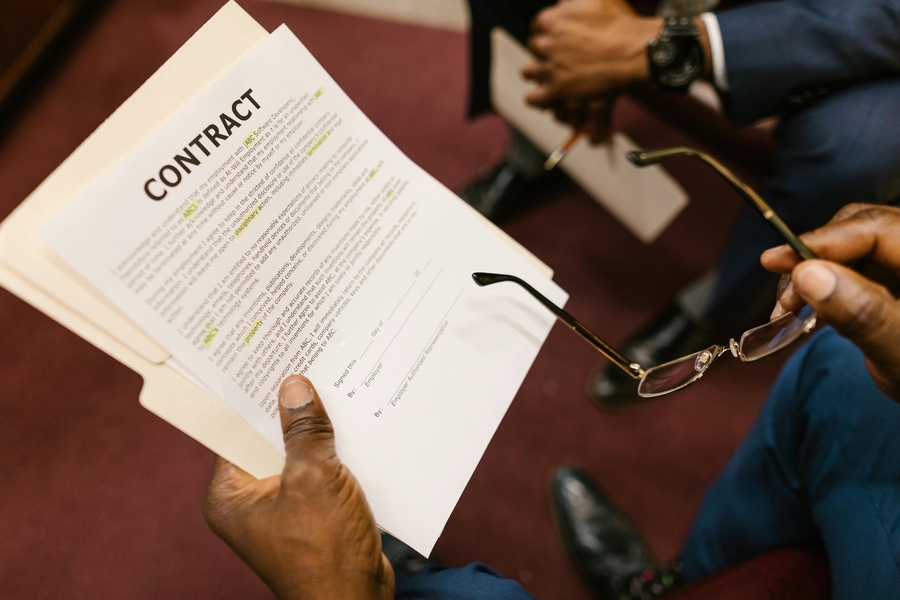
Before filing, you must gather essential documents to support your case, such as:
- Marriage certificate (legalized if issued outside Indonesia).
- Passports and visas (or proof of residency in Indonesia).
- A prenuptial or postnuptial agreement (if applicable).
- Financial records (bank statements, tax filings, property deeds).
- Proof of grounds for divorce (e.g., evidence of adultery, domestic violence, or abandonment).
All foreign documents must be translated into Bahasa Indonesia by a certified translator and may require legalization or notarization from the foreign spouse’s embassy.
Step 3: File the Divorce Petition in the Appropriate Court
Your lawyer will draft and file the divorce petition (Gugatan Cerai) in the appropriate court. This petition outlines:
- The grounds for divorce.
- Proposed division of assets.
- Child custody and support arrangements (if applicable).
Once filed, the court will register the case and schedule the first hearing.
Step 4: Official Notification to the Spouse
The court will formally notify the other spouse through an official summons (Pemanggilan Resmi). If the spouse lives abroad, additional procedures may be required for international service of process.
Step 5: Mandatory Mediation Session
Indonesian law requires mediation before allowing a divorce to proceed. If both parties fail to reconcile, the case moves forward to trial.
Step 6: Court Hearings and Evidence Presentation
Both spouses will present evidence to support their claims for divorce, child custody, and asset division. The judge will then make a ruling based on Indonesian law.
Step 7: Final Court Ruling and Divorce Decree Issuance
If the divorce is granted, the court issues a final divorce decree (Akte Perceraian for Muslims, Putusan Perceraian for non-Muslims), which must be registered with the Civil Registry Office (Dukcapil) for legal recognition.
Step 8: Post-Divorce Legal and Administrative Updates
After divorce, foreigners must update personal records, visa status, and financial information to reflect their new legal status.
Property Division and Financial Settlements
Property division in Indonesian divorces depends on whether the couple had a prenuptial agreement. Without one, assets acquired during marriage are typically considered joint property.
For foreign spouses, international assets add an extra layer of complexity. If properties or bank accounts exist outside Indonesia, the divorce ruling may not automatically be recognized in other countries. Consulting a cross-border legal expert is advisable in such cases.
Child Custody and Support Considerations
Child custody decisions in Indonesia are based on the child’s best interests. Children under 12 years old are typically placed under the mother’s custody, while the father retains visitation rights and financial responsibilities.
If one parent plans to relocate abroad, securing a court-approved custody agreement that complies with both Indonesian and international law is essential.
Common Mistakes Foreigners Should Avoid
Many foreigners make critical errors during divorce proceedings, such as:
- Failing to translate and legalize documents before submission.
- Not securing legal representation, leads to delays and complications.
- Overlooking visa and residency implications can result in deportation risks.
- Ignoring mediation requirements can delay the divorce process significantly.
International Recognition of Divorce
Foreigners should also consider whether their home country recognizes Indonesian divorce decrees. Some countries require additional legalization or may require a separate court process for the divorce to be valid.
For foreigners who plan to remarry, obtaining a Certificate of No Impediment to Marriage (CNI) from their embassy may also be required.
Work with Trusted Legal Experts
Divorcing in Indonesia as a foreigner involves navigating legal, financial, and immigration complexities. Having the right legal team ensures a smoother process and prevents costly mistakes.
For expert legal assistance in handling your divorce, contact us at info@jarjizaidan-partners.com to ensure a legally sound and stress-free resolution.